A stroke can have a major impact on mobility, independence, and the overall quality of life and can result in movement, balance, and coordination problems for a significant number of stroke survivors. Systematic physiotherapy is very important for patients to recover their functionality and independence.
At Alis Physio Rehab, the rehab of stroke patients is led by evidence, based physiotherapy which is aimed at regaining motor function, facilitating the performance of daily activities, and sustaining care in a safe and professional setting.
A stroke is basically when the blood supply to a particular area of the brain gets cut off or reduced, causing damage to parts of the brain that control our movement, balance, feeling, or coordination. Each person's case is different, but some of the typical problems after a stroke are:
These impairments can limit independence and increase the risk of falls and secondary complications if not addressed through timely rehabilitation.
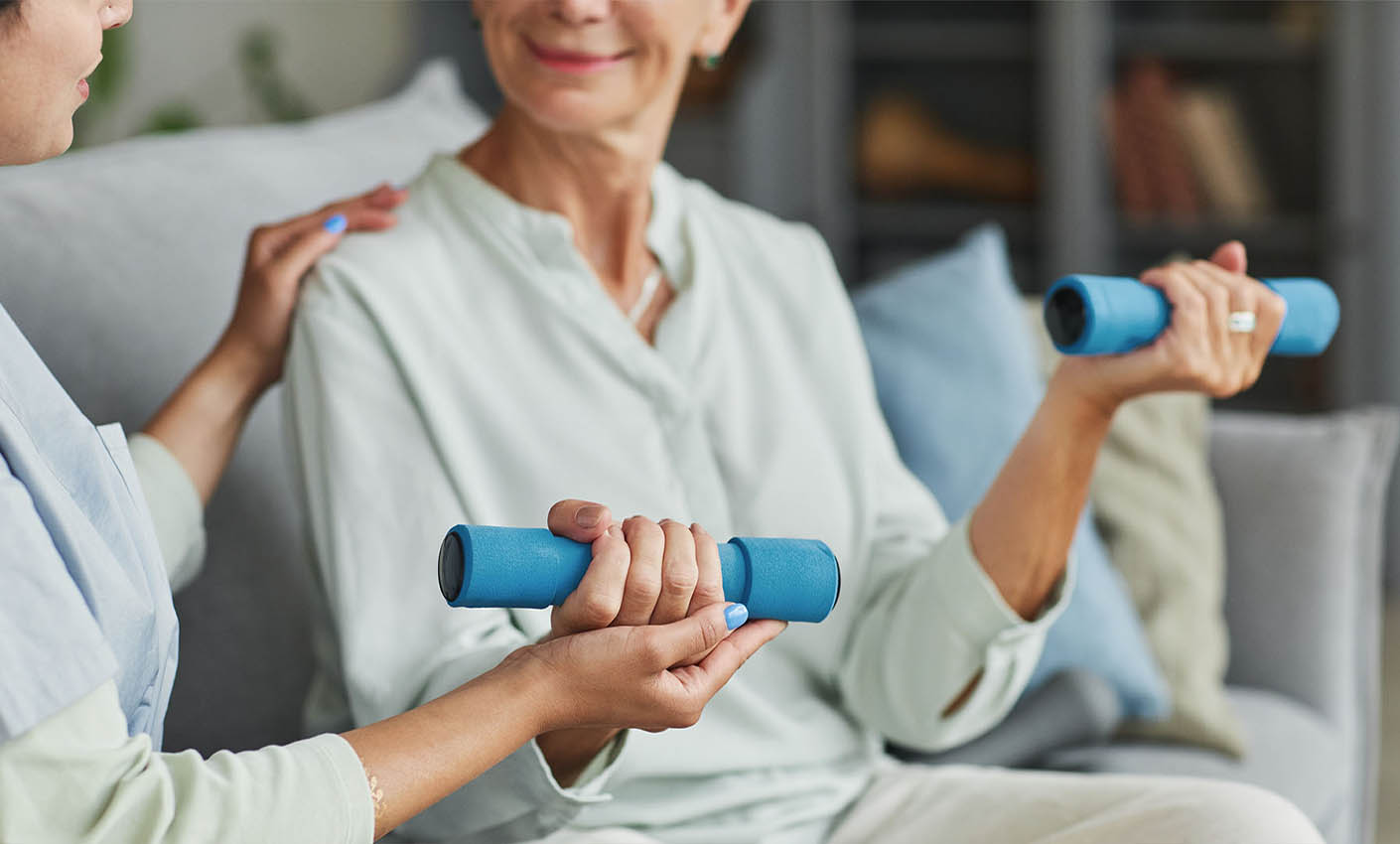
Physiotherapy has been identified as a major factor in assisting stroke patients in the recovery and rehabilitation process. Physiotherapy utilizes guided movements, strengthening exercises, and daily living skills training to help improve neuromuscular functions, all within the framework of neuroplasticity principles.
Alis Physio Rehab employs a team of highly experienced physiotherapists who perform a thorough evaluation of each patient and then prepare a customized rehabilitation plan that suits the patient's needs and the stage of their recovery.
Stroke rehabilitation can be emotionally challenging, with patients experiencing stress, mood changes, and frustration. Along with physical treatment, emotional support is essential.
At Alis Physio Rehab, therapists provide motivation, guidance, and counseling to help patients stay confident, engaged, and positive throughout their recovery journey.
It is now established that early start of pysiotherapy after stroke is linked with better functional outcomes. Starting to move early will help you avoid joint stiffness, muscle shortening, and the resulting problems of losing your functions.
However, it is certainly possible to get better if you keep on going with your therapy throughout your life. Consistent therapy sessions together with the home exercises that you have been prescribed, will enhance your chances of making and keeping progress and thus functional gains over the long run.
Family support is essential in stroke rehabilitation. Caregivers are trained in safe handling, proper positioning, and encouraging patient independence. Here at Alis Physio Rehab, we involve caregivers closely and empower them to be a constant source of recovery even outside the clinic.
Stroke rehabilitation involves the guidance of professionals along with the dedication of the patient and the continued support. Physiotherapy of a great enough level can allow the motor functions to come back, independence be gained, and the confidence to be restored.
Alis Physio Rehab uses a patient, centered, evidence, based approach that facilitates the progress and growth of stroke survivors in strength, balance, and confidence among other areas.